

Patients Playbook | Do You Have a Vested Interest?
Why Weighted Vest Walking Isn’t the Bone-Building Shortcut You’ve Been Told It Is

This is a no-paywall blog post with insights I believe are valuable. If you find it useful, subscribe to my Substack for more in-depth content, exclusive case studies, and clinical insights.
Your support helps me continue sharing everything I’ve learned in the clinic with the world.
☕ Prefer a one-off thank you? Buy Me a Coffee.
This post is a guide only and should not be taken as medical advice. It does not replace assessment and recommendations from a registered and regulated healthcare professional.
I’m very rarely on Instagram or TikTok, so most fitness fads pass me by — but I do notice when more patients, friends, and everyday exercisers start asking about the same new thing.
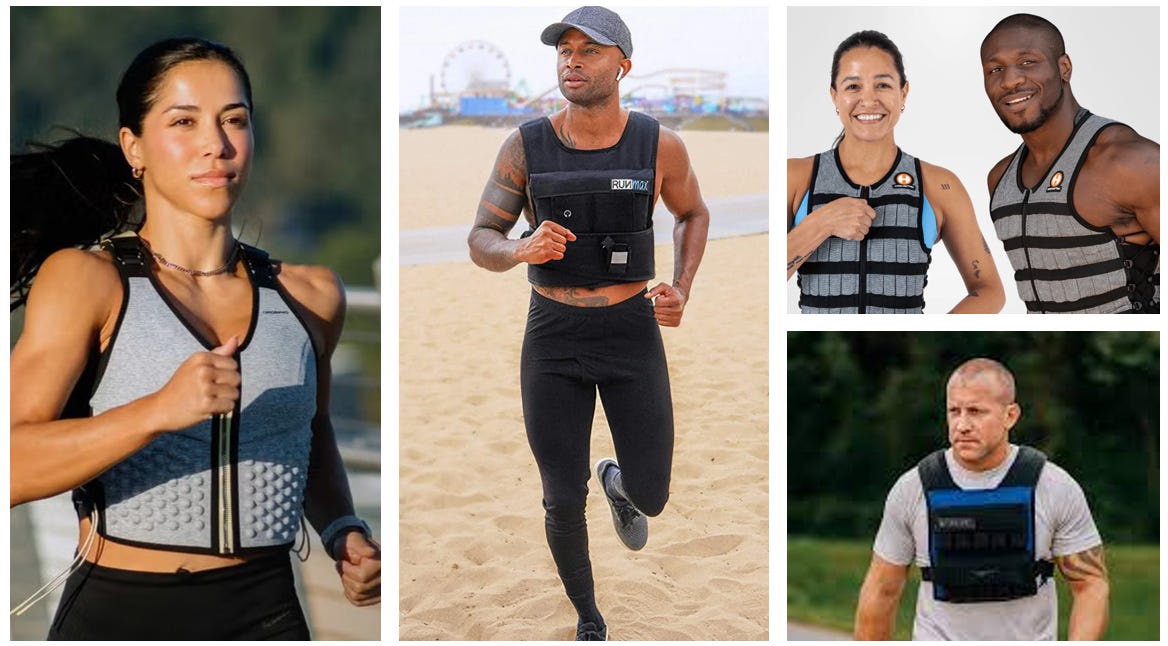
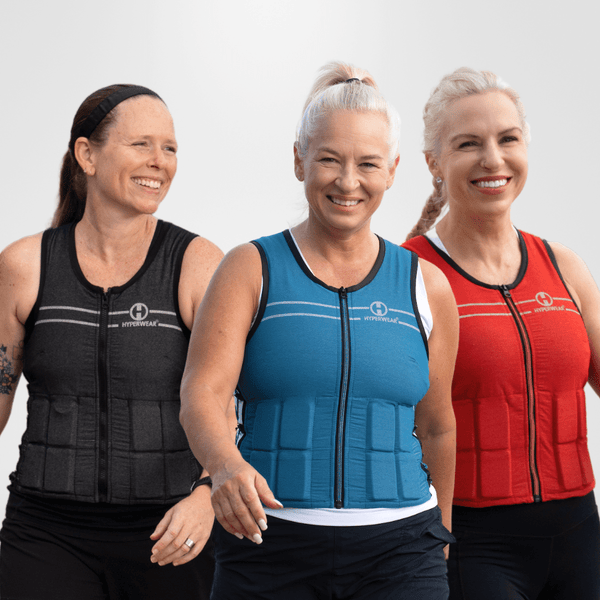
Weighted vest walking is one of those topics that has suddenly taken off.
And unfortunately… much of the public messaging around it is incomplete or simply wrong.
Before you buy a vest and head out for a loaded 5 km walk, here’s the important bit:
Using a weighted vest in a controlled gym session is VERY different to wearing it for a 40-minute walk or run.
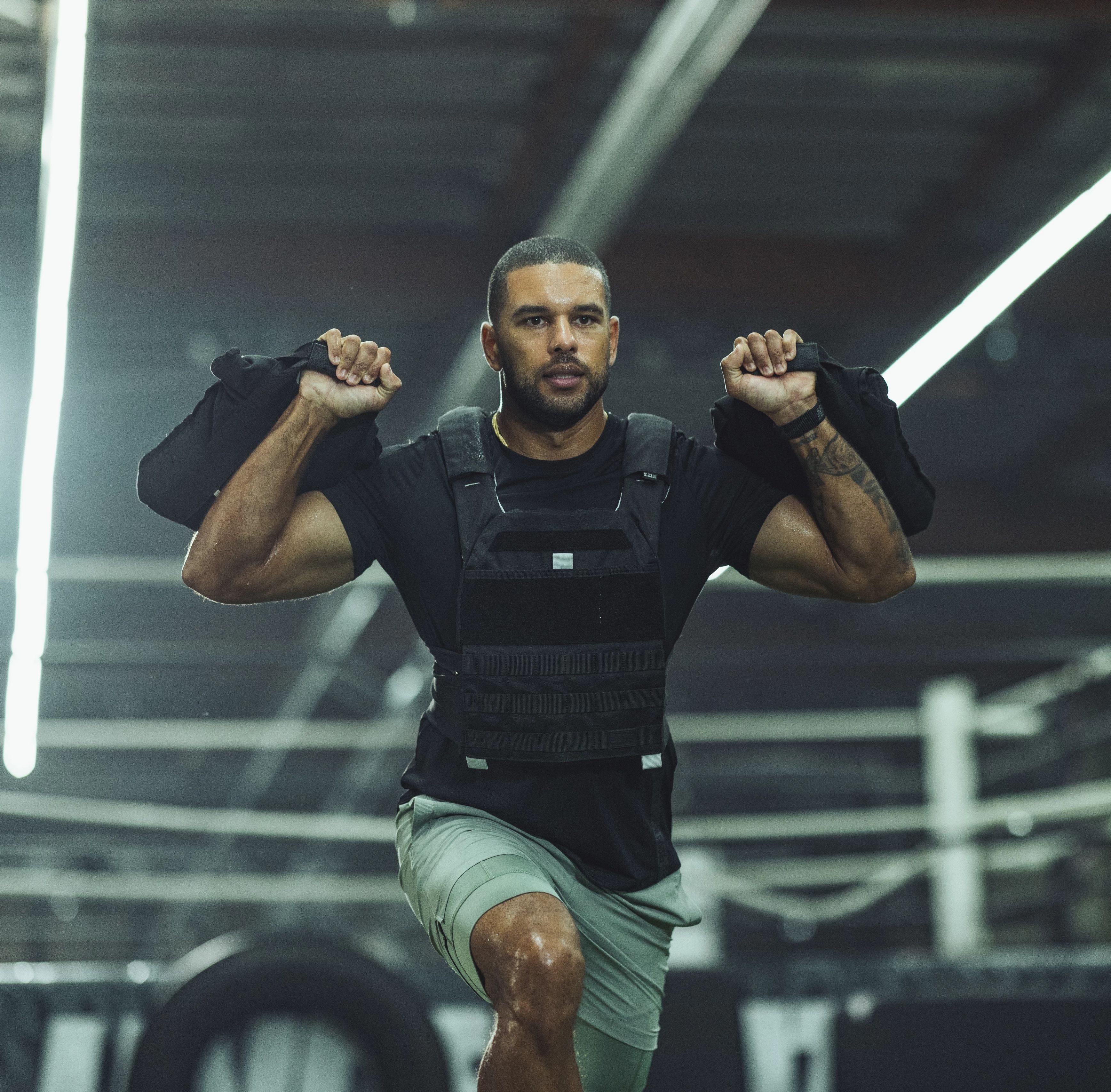
The load, the duration, and the biological response are not the same — at all.
This article is for the 95% of people who aren’t elite athletes, military personnel, or those in front-line responder or tactical roles — but who are now thinking about getting into weighted-vest training because they’ve heard it’s good for bone health, calorie burn, fitness, or longevity (whether that message came from social media, popular press articles, podcasts, or enthusiastic friends and family).
What IS the science?
Weighted vests seem simple:
Add weight → work harder → build bone → burn calories → get fitter. Simples

If only.
To understand why this isn’t how the human body works, it helps to understand what bones actually respond to — and what they don’t.
Bone Biology 101 (Simple Version)
Bone is a living tissue.
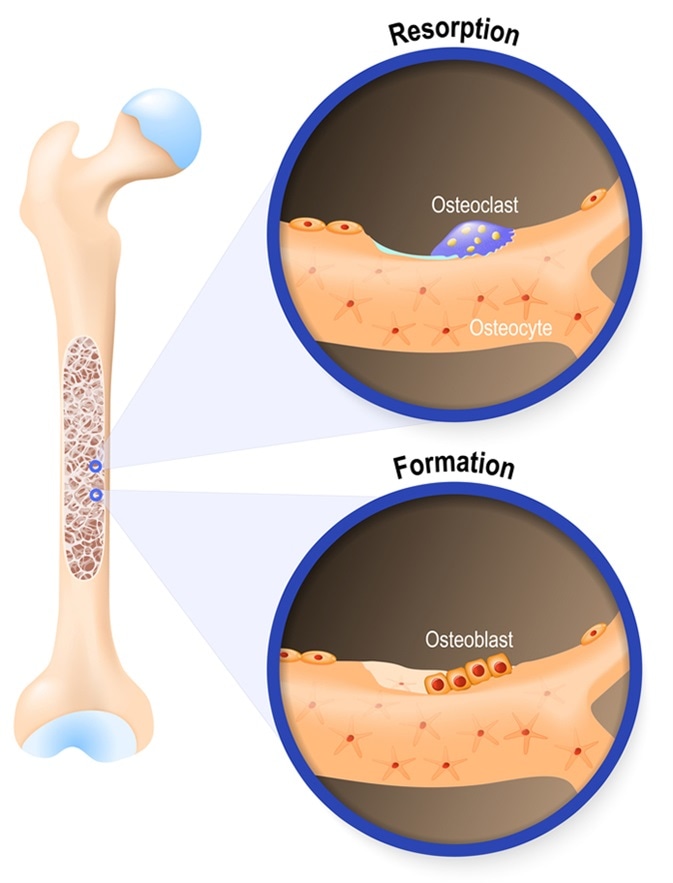
It’s constantly being broken down and rebuilt.
Osteoclasts break bone down
Osteoblasts build bone
Both operate all the time.
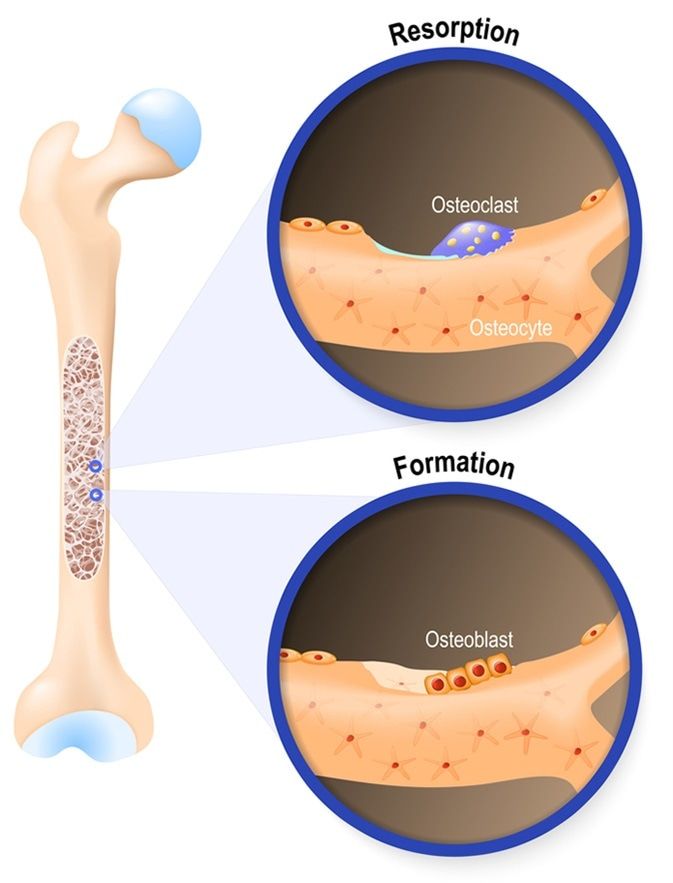
If your goal is to build or maintain bone density, you need to stimulate the osteoblasts more often — and they only respond to specific types of load.

Getting this balance right can be extremely important post-menopause.

What stimulates bone?
Short, sharp forces with rapid loading:
Jumping
Hopping
Skipping
Bounding
Heavy resistance training

These “on/off” forces send a clear signal: “Reinforce this bone.”
What doesn’t stimulate bone as much?
Long, slow, repetitive loading — such as:
Walking
Hiking
Jogging
Weighted vest walking

Walking is brilliant for cardiovascular and metabolic health, but it does not strongly activate osteoblasts.
Adding a vest doesn’t change the type of loading — it only increases the joint load, not the bone-building stimulus.
Calcium & Vitamin D — the forgotten basics
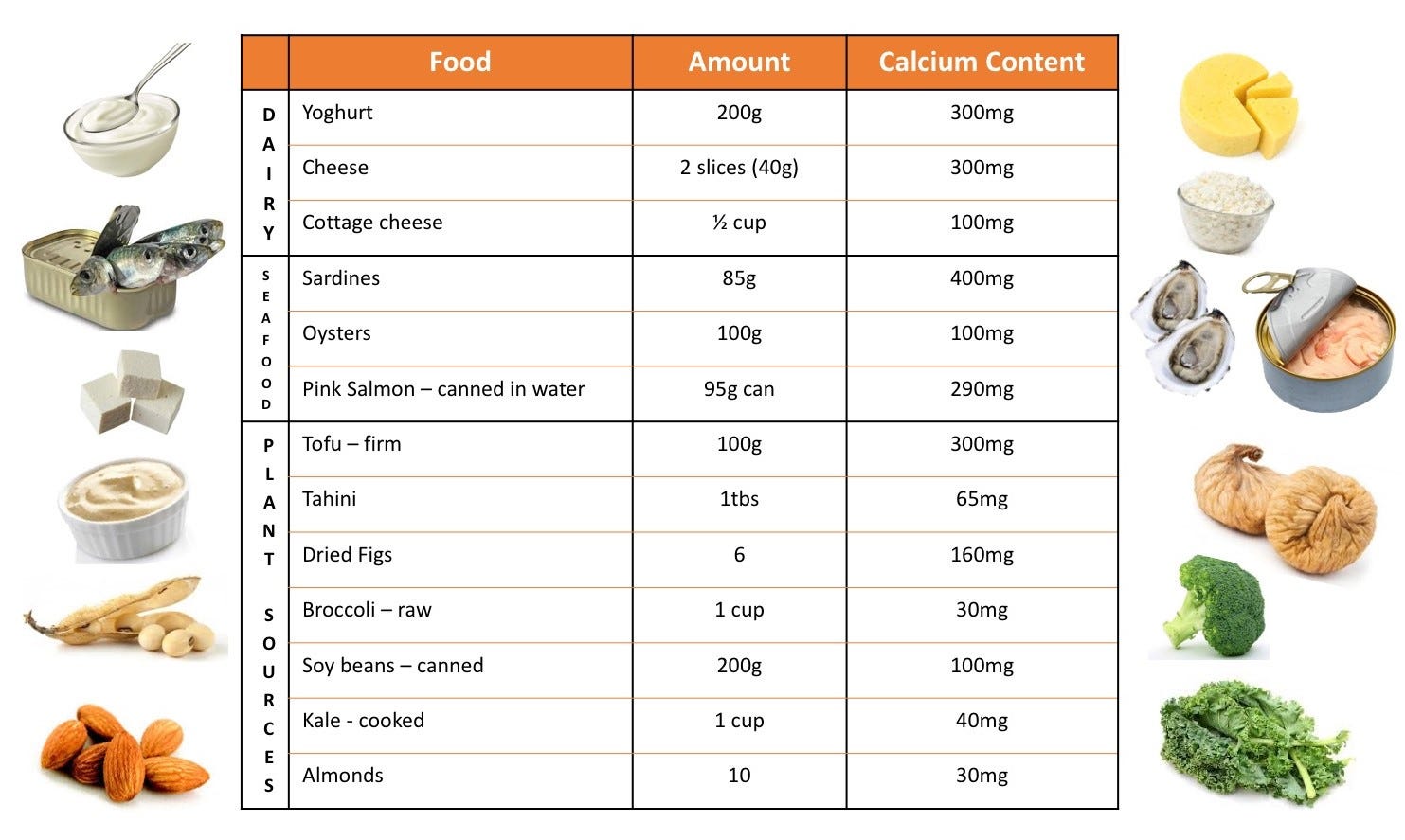
If you don’t have the building blocks, no exercise — vest or otherwise — can support bone health effectively.
According to Sports Dietitians Australia (SDA), calcium and vitamin D are essential for bone development and maintenance (1).
Many adults — especially women — routinely consume less than the recommended 1000–1300 mg/day of calcium, and vitamin D deficiency is common.
And where do we get Vitamin D From? Our star, Sol - aka The Sun. That hot thing 150million km away.
We absorb UV light and produce Vitamin D, but we also get Vitamin D from some foods too. However, it is primarily The Sun which helps us transfer calcium from our diet into our bones, via Vitamin D. Which is why it is those populations at higher latitudes (closer to the poles, with less hours of sunlight in Winter) who have higher rates of low bone density.
How Popular Press Gets It Wrong
Most articles and social media posts about weighted vests aren’t written by people who understand physiology. They’re written by:
Fitness writers
Influencers
Gear reviewers
Marketing teams
And often, there’s a product to sell.
That’s why the claims are so overhyped:
“Build bone density fast!”
“Burn more calories effortlessly!”
“Boost strength and fitness just by walking!”
These make great headlines — but they’re not what the research shows.
And here’s the twist:
Even Nike and Harvard cautiously warn against vest walking.
Nike openly notes that the claims around bone density and calorie burn are not well supported, and highlights increased joint load and injury risk.
https://www.nike.com/au/a/running-in-a-weighted-vestHarvard Health warns weighted vest walking is not appropriate for people with back pain, neck pain, or pregnancy, due to the increased compression and altered posture.
https://www.health.harvard.edu/exercise-and-fitness/what-are-the-benefits-of-walking-with-a-weighted-vest
So when even the big, conservative voices are telling you to be cautious, it’s safe to say the “bone-building vest walk” trend is missing a lot of nuance — and a lot of science.
Osteoclasts>osteoblasts = breakdown.
It’s no surprise then that military “holding platoons” — where injured recruits wait for medical clearance — are full of young adults with lower-limb bone stress injuries.
Take a sudden spike in volume (marching all day) + a big jump in load (15–30 kg pack) + weeks of fatigue…
You get exactly what bone doesn’t like: long-duration repetitive loading with too much weight, too soon.

Weighted-vest walking is just a smaller version of the same equation.
WHAT THE RESEARCH ACTUALLY SAYS
1. Bone Health

❌ Vest walking does not increase bone density.
Wearing a vest while walking does not make your bones stronger in any meaningful way.(2-5)
✔️ Vest + resistance/impact can help maintain bone
Using a vest in the gym — alongside strength exercises or small jumping drills — can help slow bone loss, but does not create new bone. (2)
Vest-based training can support general bone health, but still does not noticeably increase bone strength on scans. (4)
Vest exercises can improve balance and muscle ability, but don’t make a big difference to bone results. (3)
Vest exercises can improve stability and leg strength, but don’t strengthen the hip bones themselves. (2)
Bottom line: Weighted vests can help maintain bone when paired with resistance/impact — but they do not build bone during walking.
2. Muscle Strength & Everyday Function
Weighted vests help when used for strength training — not for walking.
Vest strength programs can improve leg strength a lot, helping people feel steadier and more powerful. (2)
Exercise routines that include vests can improve balance and confidence, mainly due to the exercises themselves. (6)
❌ Vest walking does not increase strength
Walking with a vest does not make your muscles stronger than normal walking. (7-11)
3. Weight Loss & Metabolism
Weighted vests add a tiny bit more calorie burn — but not enough to be meaningful.
Walking with a vest can burn slightly more calories, but not much more than regular walking. (10)
Vest-based programs can help people maintain weight loss, but are no better than normal walking. (11)
Strength training is far better than vest walking for protecting muscle and bone during weight loss. (7)
Vest programs can preserve a little muscle, but are nowhere near as effective as proper strength training. (8, 9)
❌ No boost to metabolism
Weighted vests do not speed up your resting metabolism. (7-11)
4. Cardiovascular Fitness (Heart & Lung Fitness)
Weighted vests make a walk feel harder, but they don’t improve fitness more than normal walking.
Walking with a vest can raise your heart rate, but does not improve fitness more than brisk walking without one. (10)
Even athletes do not improve fitness faster with weighted sprints compared to normal sprints. (12)
❌ No fitness advantage
Weighted vest walking does not improve heart/lung fitness better than regular aerobic exercise.
(7, 10)
5. Balance & Fall Risk
Vest programs help balance because of the exercises, not because of the vest.
Training that includes a vest can improve balance and help reduce fall risk, mostly due to better muscle strength. (5)
Vest-integrated routines can improve steadiness and confidence in everyday movements. (6)
❌ The vest itself isn’t the magic
It’s the training that helps balance — not the vest.
(2, 6)
A Quick Note on Injuries
Incorrect use of weighted vests (too heavy, too soon, too often) can lead to:
1️⃣ Overuse Injuries
Patellofemoral pain:
Hip referred pain:
Tendon injuries:
Osteoarthritis


2️⃣ Acute Joint Injuries
Ankle injuries:
Knee injuries:


Long-duration loading with added weight increases stress on knees, hips, ankles, feet, and tendons — exactly where these injuries appear.
What ESSA Says (Short & Sweet)
If you’ve never heard of them, Exercise & Sports Science Australia (ESSA) is the national peak body for Exercise Physiologists — specialists in safe, effective exercise prescription.
ESSA’s stance is clear:
Walking — even brisk walking — is not enough to build or maintain bone density.
Bone needs impact and progressive resistance training, not long, steady walking with or without a vest. (13)
Weighted vests can be helpful only when used as part of a structured strength or impact program, not during long-duration walks.
If you want personalised guidance, see your local Accredited Exercise Physiologist (EP). They’ll tell you if a vest belongs in your program at all.
If You Still Want to Use a Vest — Here’s one way of safely starting
For someone who already walks 30–40 minutes, 3×/week with no recent bone stress injuries, osteoarthritis, or joint issues, here’s a plan I might suggest, then dial it up or down based on how they (and their body bits) tolerate it.

Step 1 — Start Light (Weeks 1–2)
2–5 kg, once per week
Flat terrain
Step 2 — Twice a Week (Weeks 3–4)
5 kg, twice per week
Step 3 — Make 5 kg Your New Normal (Weeks 5–6)
5 kg, three times per week
Step 4 — Add ONE Heavier Day (Weeks 7–10)
One walk at 7.5–10 kg
Other walks stay at 5 kg
Step 5 — Optional Ceiling
Max 15–20% of bodyweight
Only ONE heavy walk per week
Running with a vest is not recommended
Stop or drop back if you experience:
Swelling
Increase in pain after the walk (that evening, and/or nex t day)
Pain worsening during the walk
Next-day stiffness that doesn’t settle over the day
Summary
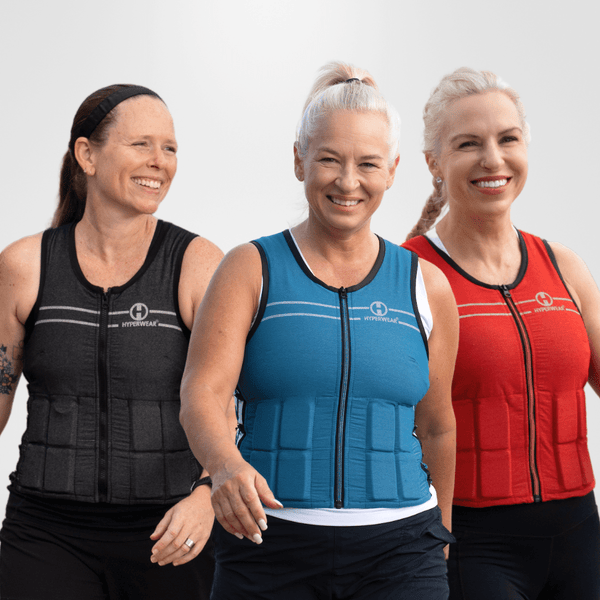
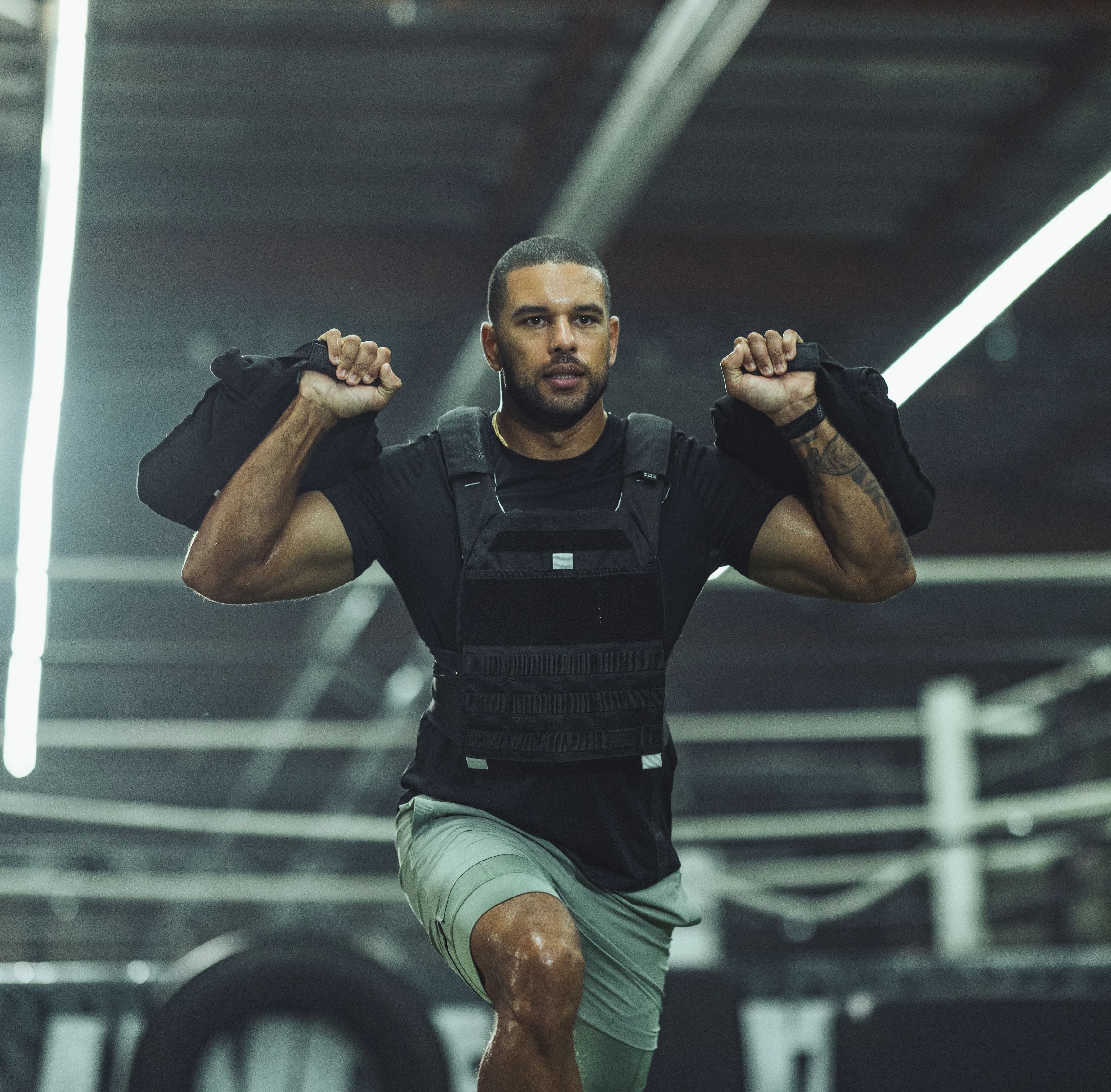

✔ Weighted vests CAN:
Improve strength (when used in resistance/impact sessions)
Support bone maintenance (not growth)
Slightly increase calorie burn
Improve balance within structured exercise
❌ Weighted vests CANNOT:
Build bone density through walking
Build strength during walking
Improve cardiovascular fitness more than regular training
Increase metabolism in any meaningful way
Replace proper strength or impact training
Weighted vests are a tool, not a shortcut, hack, or magic upgrade.
They shine in short, controlled strength or impact sessions.
They disappoint in long, steady walking sessions.
If your goal is:
Strength → progressive resistance training
Bone health → impact + heavy resistance (please see a healthcare professional such as an Exercise Physiologist or a Musculoskeletal Physiotherapist if you have specific bone density related exercise needs)
Cardio → aerobic conditioning
Balance → targeted balance exercises
A weighted vest might help — if you use it intentionally, because the vest doesn’t determine the outcome. The program does.
References
1. Desbrow B, McCormack J, Burke LM, Cox GR, Fallon K, Hislop M, et al. Sports Dietitians Australia position statement: sports nutrition for the adolescent athlete. International journal of sport nutrition and exercise metabolism. 2014;24(5):570-84.
2. Shaw JM, Snow CM. Weighted vest exercise improves indices of fall risk in older women. The Journals of Gerontology Series A: Biological Sciences and Medical Sciences. 1998;53(1):M53-M8.
3. Hakestad KA, Torstveit MK, Nordsletten L, Axelsson ÅC, Risberg MA. Exercises including weight vests and a patient education program for women with osteopenia: a feasibility study of the OsteoACTIVE rehabilitation program. journal of orthopaedic & sports physical therapy. 2015;45(2):97-105.
4. Klentrou P, Slack J, Roy B, Ladouceur M. Effects of exercise training with weighted vests on bone turnover and isokinetic strength in postmenopausal women. Journal of aging and physical activity. 2007;15(3):287-99.
5. Snow CM, Shaw JM, Winters KM, Witzke KA. Long-term exercise using weighted vests prevents hip bone loss in postmenopausal women. The Journals of Gerontology Series A: Biological Sciences and Medical Sciences. 2000;55(9):M489-M91.
6. Paniak I, Soni D, Tsotsos L, Stoneham S. Assessing the Impact of Wearing a Weighted Vest on Balance, Stability, and Quality of Life in Older Adults: A Pilot Study. Health Science Reports. 2025;8(11):e71509.
7. Beavers KM, Lynch SD, Fanning J, Howard M, Lawrence E, Lenchik L, et al. Weighted Vest Use or Resistance Exercise to Offset Weight Loss–Associated Bone Loss in Older Adults: A Randomized Clinical Trial. JAMA Network Open. 2025;8(6):e2516772-e.
8. DeLong C, Nicklas BJ, Beavers DP, Fanning J, Beavers KM. Does weighted vest use during weight loss influence long-term weight loss maintenance? A pilot study in older adults living with obesity and osteoarthritis. International Journal of Obesity. 2025:1-4.
9. Kelleher JL, Beavers DP, Henderson RM, Yow D, Crotts C, Kiel J, et al. Weighted vest use during dietary weight loss on bone health in older adults with obesity. Journal of osteoporosis and physical activity. 2017;5(4):210.
10. Looney D, Lavoie E, Notley S, Holden L, Arcidiacono D, Potter A, et al. Metabolic costs of walking with weighted vests. Medicine and Science in Sports and Exercise. 2023;56(6).
11. Normandin E, Yow D, Crotts C, Kiel J, Beavers K, Nicklas BJ. Feasibility of weighted vest use during a dietary weight loss intervention and effects on body composition and physical function in older adults. The Journal of frailty & aging. 2018;7(3):198-203.
12. Clark KP, Stearne DJ, Walts CT, Miller AD. The longitudinal effects of resisted sprint training using weighted sleds vs. weighted vests. The Journal of Strength & Conditioning Research. 2010;24(12):3287-95.
13. Beck BR, Daly RM, Singh MAF, Taaffe DR. Exercise and Sports Science Australia (ESSA) position statement on exercise prescription for the prevention and management of osteoporosis. Journal of science and medicine in sport. 2017;20(5):438-45.
Did this help you understand your pain better or make a more informed decision? If so, even a small contribution helps me keep content like this going. This is high-value information that normally costs hundreds of dollars in a clinic—but here, it’s free for everyone.
☕ Buy Me a Coffee to say thanks, or become a paid subscriber—you’ll get access to more expert insights and can ask me questions about your pain anytime!
Disclaimer:
The views and opinions expressed in this blog are solely those of the author, based on clinical experience and research. They do not represent or reflect the official policy, position, or views of the Australian Defence Force, the Commonwealth of Australia, or any organisations or clinics the author has worked for, past or present.
Tailor your Nick Ilic | Physio Clinician subscription:
You can customise which topics you receive updates for by selecting 'Manage Subscription' in your Substack options (in your browser), or by clicking 'unsubscribe' at the bottom of any email—don’t worry, it won’t unsubscribe you immediately! You'll then be able to choose your preferred sections:
✅ Patient Playbook
✅ Clinician’s Corner
✅ Research Reviews
✅ Clinician’s Compass
Choose what suits you best—I promise I won’t take it personally!